5 Shocking Reasons Why Delhi Temperature Dropped to Seasonal Lows Amid Cold Wave
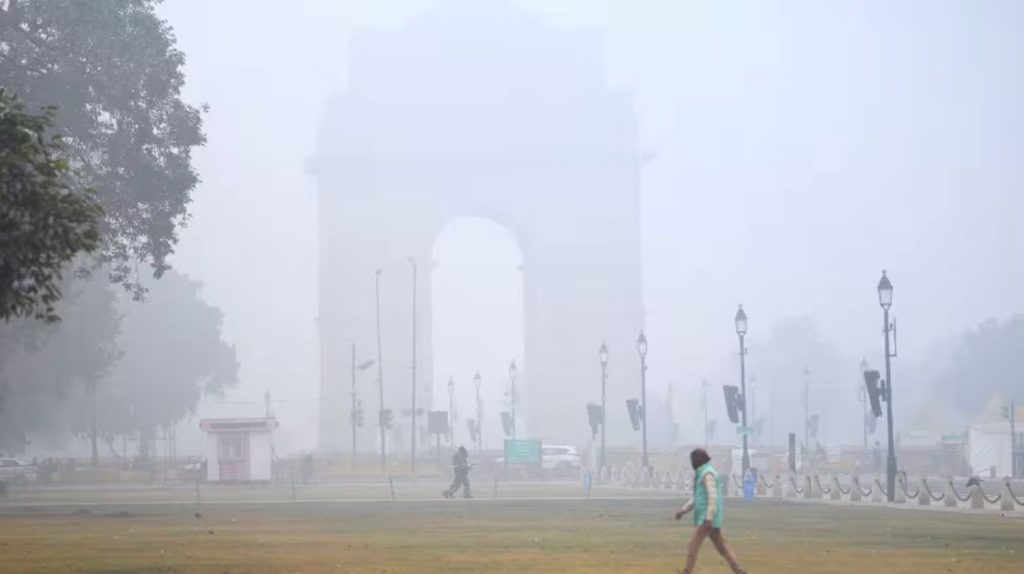
Dense fog covers India Gate as Delhi temperature drops sharply amid cold wave conditions.
The Delhi temperature has dropped to seasonal lows as intense cold wave conditions continue to affect the national capital. Several areas of the city recorded minimum temperatures below the seasonal average, making early mornings particularly harsh for residents. The India Meteorological Department (IMD) has issued an alert, warning that cold conditions and dense fog are likely to persist over the next few days.
Meteorologists attribute the sudden dip in Delhi temperature to a combination of meteorological factors that typically peak during mid-winter. The cold wave has not only affected comfort levels but also disrupted normal life across the city.
In several parts of Delhi, including Lodhi Road, Ridge area, and Safdarjung, minimum temperatures plunged to near-freezing levels, intensifying the impact of the cold wave. The sharp fall in Delhi temperature has resulted in reduced visibility during early morning hours as dense fog enveloped major roads and highways, leading to traffic slowdowns and delays in train and flight services.
According to weather experts, the prevailing northwesterly winds carrying icy air from snow-covered regions of the Himalayas are playing a crucial role in lowering the Delhi temperature. These winds, combined with clear night skies, allow heat to escape rapidly after sunset, causing temperatures to drop further during the night and early morning hours.
The prolonged cold conditions have also affected vulnerable populations, particularly the homeless and elderly. Authorities have increased night shelter arrangements and urged residents to take precautions against prolonged exposure to the cold. Schools and offices have reported lower attendance as many people prefer to remain indoors during the harsh weather.
Reason 1: Strong Northerly Winds Bring Icy Air
One of the most significant reasons behind the declining Delhi temperature is the influx of strong northerly and northwesterly winds. These winds originate from the Himalayan region, where temperatures remain extremely low during winter.
As these cold air masses travel southwards, they lower temperatures across the Indo-Gangetic plains, including Delhi. IMD officials explain that such wind patterns are a classic indicator of cold wave conditions and often result in sudden drops in night-time temperatures.
Reason 2: Clear Skies Accelerate Night-Time Cooling
Clear skies during night hours have further worsened the cold conditions. When cloud cover is absent, the earth’s surface loses heat rapidly after sunset, a process known as radiational cooling.
This phenomenon has pushed the minimum temperature in Delhi well below normal levels. As a result, residents are experiencing freezing mornings, with temperatures remaining low until late morning hours despite sunlight.
Reason 3: Persistent Dense Fog Reduces Heat Gain
Another key factor contributing to the low Delhi temperature is the presence of dense fog during early morning hours. Fog acts as a barrier, blocking sunlight and delaying daytime warming.
According to the IMD, visibility in some areas dropped significantly, especially near highways, railway tracks, and low-lying regions. The delayed dispersal of fog has meant that temperatures remain suppressed for longer periods, adding to the severity of the cold wave.
Reason 4: Calm Wind Conditions Trap Cold Near Ground
Low wind speed during night and early morning hours has allowed cold air to settle near the surface. Without sufficient air movement, warmer air from upper layers fails to mix with colder air near the ground.
This condition, known as temperature inversion, has played a crucial role in sustaining cold weather conditions in Delhi. IMD experts note that calm winds combined with high moisture levels often intensify winter cold spells in northern India.
During temperature inversion events, the cold air remains trapped close to the surface for extended periods, preventing daytime temperatures from rising normally. This leads to prolonged cold conditions, especially in densely populated and low-lying areas of the city. As a result, the Delhi temperature remains suppressed even during daylight hours, adding to the overall intensity of the cold wave.
Meteorologists explain that calm wind conditions also contribute to poor air circulation, which can worsen both cold stress and air quality. The IMD has indicated that unless wind speeds increase in the coming days, temperature inversion is likely to persist, continuing to amplify the winter chill across the capital.
Reason 5: North India Cold Wave Tightens Its Grip
The sharp fall in Delhi temperature is part of a larger cold wave system affecting several states across north India. Regions including Punjab, Haryana, Rajasthan, and Uttar Pradesh have also reported unusually low temperatures.
Weather experts state that Delhi’s climate is closely linked to surrounding regions, and prolonged cold conditions in neighboring states often extend into the capital. This widespread cold wave has increased its duration and intensity this season.
IMD Alert and Detailed Delhi Weather Forecast
The IMD alert warns that cold wave conditions are likely to continue over the coming days. While daytime temperatures may show marginal improvement due to sunlight, nights are expected to remain extremely cold.
The department has also forecast dense to moderate fog during night and early morning hours, which could impact road, rail, and air travel. Residents are advised to regularly check official Delhi weather updates issued by the IMD.
Impact on Health, Transport, and Daily Life
The plunging Delhi temperature has raised health concerns, particularly for the elderly, children, and people suffering from respiratory ailments. Doctors recommend wearing layered clothing, avoiding early morning exposure, and maintaining adequate indoor warmth.
Transport services have also been affected. Foggy conditions have slowed traffic movement, delayed trains, and caused flight disruptions at the airport. Authorities have urged commuters to plan travel carefully and follow safety advisories.
Measures Taken for the Homeless and Vulnerable
With temperatures continuing to fall, civic agencies have intensified efforts to protect the homeless population. Night shelters across the city have increased capacity, and additional blankets and heating arrangements have been provided.
Officials stated that emergency helplines and shelter services are being closely monitored to ensure assistance reaches those in need during the cold wave.
What to Expect in the Coming Days
Meteorologists predict that Delhi temperature levels will remain low in the short term, with gradual improvement only after changes in wind patterns or cloud cover. Until then, residents are advised to stay informed, follow IMD advisories, and take necessary precautions against cold-related health risks.
As winter continues to dominate the weather landscape, the capital remains braced for more cold mornings and foggy starts in the days ahead.
Also read:
Samsung Launches Sleeker Foldable Smartphones: A New Era for the Galaxy Z Series
Last Updated on Monday, January 19, 2026 2:29 pm by Pushkarini Annabathula
About The Author