Delhi’s Air Quality Crisis 2026: New Policies, Rising Challenges and Public Response Across the Capital
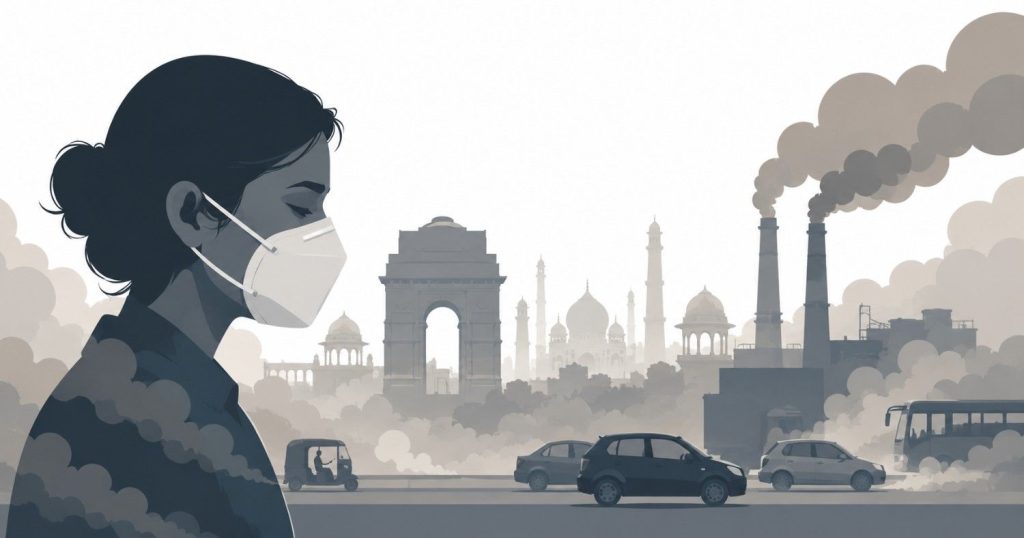
Delhi’s air pollution crisis continues to remain one of India’s biggest public health concerns. Even in 2026, the national capital is struggling with dangerous air quality levels during several months of the year. From vehicle emissions and construction dust to stubble burning and industrial pollution, multiple factors continue to push pollution levels higher.
In recent months, the Delhi government, the Centre, and pollution control agencies have introduced new measures to control the worsening air quality situation. These include stricter vehicle rules, artificial rain discussions, anti-dust drives, electric vehicle expansion plans, and tighter monitoring systems.
However, despite repeated policy announcements, many residents say the problem continues to affect daily life, health, transport, schools, and work routines across the city.
Why Delhi’s Air Quality Remains a Major Concern
Delhi regularly records poor to severe Air Quality Index (AQI) levels, especially during winter. Experts say weather conditions, low wind speed, and trapped pollutants make the situation worse between October and January.
Several studies over the years have linked long-term exposure to polluted air with respiratory diseases, heart problems, asthma, and reduced lung function in children and elderly people.
Health experts continue to warn that pollution is no longer only a seasonal issue. Many areas in Delhi-NCR now report unhealthy air levels even during summer months.
According to pollution monitoring agencies, PM2.5 and PM10 particles remain among the biggest threats. These tiny particles enter the lungs and bloodstream and can create serious health risks over time.
New Policies Introduced to Tackle Pollution
Stricter Rules for Old Vehicles
One of the biggest steps taken recently involves tighter restrictions on old petrol and diesel vehicles.
Authorities have increased checks on end-of-life vehicles across Delhi roads. Diesel vehicles older than 10 years and petrol vehicles older than 15 years continue to face restrictions under existing court orders.
Enforcement teams have intensified drives against vehicles violating pollution norms. Automatic number plate recognition systems and surveillance cameras are also being used in some zones.
Officials believe vehicle emissions remain one of the largest contributors to urban pollution in Delhi.
Push for Electric Vehicles
The Delhi government has also expanded its electric vehicle push under its EV policy.
More electric buses have been added to the public transport fleet. Authorities are also increasing charging station networks across the city.
Officials say the long-term aim is to reduce dependence on petrol and diesel vehicles while promoting cleaner public transport systems.
However, challenges remain regarding charging infrastructure, battery costs, and consumer adoption.
Construction Dust Under Scrutiny
Anti-Dust Campaigns Intensified
Construction and demolition activities remain another major source of pollution in Delhi.
Authorities have launched anti-dust drives across several districts. Construction sites are now being monitored more closely for violations such as uncovered materials, poor dust control, and lack of water sprinkling systems.
Large construction projects have been instructed to install anti-smog guns and dust barriers.
Teams from pollution control departments have also imposed penalties on projects violating environmental norms.
Despite these efforts, residents in many parts of Delhi continue to complain about dust pollution from roads, flyovers, and infrastructure projects.
Stubble Burning Continues to Impact Delhi
Every winter, stubble burning in neighboring states becomes a major issue for Delhi’s air quality.
Smoke from farm fires in Punjab and Haryana often mixes with local pollution sources and creates severe smog conditions over the NCR region.
Governments have repeatedly announced subsidies for machines and alternative crop management methods. However, experts say large-scale implementation challenges still remain.
Farmers have often pointed to rising operational costs and limited time between crop cycles as key reasons behind stubble burning.
Environmental experts believe long-term coordination between states and the Centre is necessary to reduce the seasonal pollution spike.
Artificial Rain and Emergency Measures Discussed
During severe pollution episodes, authorities have explored emergency options such as artificial rain through cloud seeding.
Although discussions around artificial rain have gained attention, experts say weather dependency and operational challenges make it difficult to implement regularly.
Meanwhile, the Graded Response Action Plan (GRAP) continues to be used during high pollution periods.
Under GRAP restrictions, authorities may:
- Stop certain construction activities
- Limit diesel generator usage
- Increase public transport services
- Restrict polluting trucks
- Introduce school advisories
- Encourage work-from-home policies
These measures are activated depending on AQI levels.
Impact on Schools and Children
Health Concerns Rising Among Parents
Air pollution continues to remain a major concern for parents and schools in Delhi-NCR.
During severe AQI periods, schools sometimes reduce outdoor activities or temporarily shift to online classes.
Doctors say children are among the most vulnerable groups because their lungs are still developing.
Many parents now regularly monitor AQI apps before sending children outdoors. Air purifiers, masks, and indoor exercise routines have become increasingly common in urban households.
Schools have also started awareness programs about pollution and respiratory safety.
Public Transport Faces Pressure
Metro and Bus Usage Increases During Smog
During severe pollution days, authorities often encourage residents to use public transport instead of private vehicles.
The Delhi Metro usually sees increased passenger traffic during such periods. Additional buses are also deployed on some routes to reduce congestion and emissions.
However, commuters continue to face overcrowding during peak hours.
Experts say Delhi still needs stronger last-mile connectivity and better integration between buses, metro systems, and local transport networks.
Residents Voice Frustration Over Slow Improvement
Many Delhi residents say air pollution has become part of everyday life.
Social media platforms regularly witness public complaints during severe smog episodes. Citizens often raise concerns over breathing problems, eye irritation, reduced visibility, and worsening health conditions.
Environmental groups have also criticized authorities for reacting only during emergencies rather than focusing on year-round prevention.
At the same time, some residents support stricter pollution rules, even if they create short-term inconvenience.
Businesses and Workers Also Affected
Pollution is also affecting businesses and outdoor workers across Delhi.
Delivery workers, traffic police personnel, street vendors, and construction laborers remain exposed to poor air quality for long hours daily.
Several companies have started flexible work policies during severe pollution periods.
Healthcare costs linked to respiratory illnesses have also increased in many urban households.
Experts warn that pollution-related productivity losses may continue to impact the economy if long-term solutions are delayed.
Can Delhi Solve Its Pollution Crisis?
Environmental experts say Delhi’s pollution problem cannot be solved through seasonal action alone.
They believe permanent solutions require:
- Cleaner transport systems
- Better urban planning
- Reduced dependence on fossil fuels
- Stronger regional coordination
- Strict industrial monitoring
- Scientific waste management
- Expansion of green cover
Experts also stress the need for consistent implementation instead of temporary emergency responses.
What Residents Can Do During High Pollution Days
Health experts recommend several precautions during severe AQI conditions:
- Avoid outdoor exercise during peak pollution hours
- Use masks in heavily polluted areas
- Keep windows closed during severe smog
- Stay hydrated
- Monitor AQI regularly
- Use air purifiers where possible
- Seek medical help if breathing issues increase
Doctors also advise elderly citizens, children, and people with asthma to remain extra cautious during severe pollution periods.
The Road Ahead for Delhi
Delhi’s air quality crisis remains a complex challenge involving multiple states, agencies, industries, and public behavior.
While new policies and stricter enforcement measures show that authorities are increasing efforts, the scale of the problem continues to test the system every year.
For millions living in Delhi-NCR, cleaner air is no longer only an environmental issue. It has become a daily health, economic, and quality-of-life concern.
The coming months will likely determine whether recent policy changes can create long-term improvement or whether Delhi will continue to battle recurring pollution emergencies year after year.
Last Updated on Saturday, May 16, 2026 7:46 pm by Delhi News Wire Team
About The Author